5 JILI Slot Myths I See Every Week on MBA66
5 JILI Slot Myths I See Every Week on MBA66 You have been playing JILI slots for a while. You have your own theories about how the games work. But the patterns you are tracking across sessions — the o...

5 JILI Slot Myths I See Every Week on MBA66
You have been playing JILI slots for a while. You have your own theories about how the games work. But the patterns you are tracking across sessions — the ones you call "hot cycles," "bonus windows," or "cold streaks" — are costing you more than you think.
I see it in our community every week. Players who are sharp, experienced, and genuinely engaged — but operating on five persistent misconceptions that have nothing to do with how these games actually function. This is the community moderator breakdown I give every time a new member asks why their strategy is not landing.
Myth 1: Slots Run in Hot and Cold Cycles
The most common assumption I encounter. A slot has not paid in 200 spins, so it must be "due." Or the last player hit a big win, so the machine is now cold.
This is not how JILI slots — or any certified slot — operates. Every single spin is generated by a Random Number Generator that maps to a specific outcome range at the exact moment you press the button. The result is already determined the instant the spin starts. Previous spins have zero influence on it. A slot that paid a jackpot on spin 50 has the same mathematical probability of triggering free spins on spin 51 as it did on spin 49. The RNG does not remember. It does not cycle. It does not compensate. The math resets on every spin, 100% of the time.
This comes up constantly in our chat. "I lost ten times, so a win has to come." No — that is not how it works. Each spin is a separate event. The RNG does not track your balance, your session time, or what happened five minutes ago.
The only thing that compounds is your bet exposure. The math of a JILI slot — its volatility, its hit frequency, how often free spins triggered — is set in the RNG layer before any spin lands. Understanding this changes how you approach a session. Set a loss limit before you start, and walk away when it hits. That is the only framework that keeps the math on your side.
Myth 2: Bigger Bets Unlock Better Bonus Mechanics
Some players think that betting the table maximum makes free spins more likely to land. That is not how it works.
In JILI slots, the RNG draws outcomes at the same probability regardless of your stake. A RM1 spin and a RM50 spin on the same title share the same chance of landing the three scatter symbols that unlock the free spins round. Betting more does not move the needle on trigger rates.
What does scale with bet size is the jackpot meter on eligible JILI titles. This is a separate mechanic — a mystery bonus pool that drops a fixed amount within a guaranteed window. On some JILI games, qualifying for the full jackpot meter requires a minimum bet level. That is a game design feature, not a trigger-rate boost. Keep those two concepts separate.
Myth 3: Demo Spins and Real Spins Play Differently
This one has real consequences for players moving from practice to real-money play.
Some players use demo slots as a testing ground and then assume the real-money version runs a different set of mechanics. That is incorrect. The JILI slot engine — including its RTP percentage, volatility profile, and free spins triggered rate — is identical across both modes. The provider certifies one build, and both demo and real-money modes pull from the same source. Demo play reveals the actual game.
The difference is psychological, not mechanical. Real-money sessions carry emotional weight that demo play does not. You feel losses differently. You hesitate differently on the buy feature. That shift in mindset is what actually changes player behavior at the stake — not the game itself. Demo mode is useful for learning the feature set, the symbol language, and the base-game rhythm. What it cannot teach you is how you will behave under pressure. Only real-money experience at your own comfort stake does that.
Photo by Pixabay on Pexels
Myth 4: Jackpot Meters Signal the Right Moment to Play
JILI titles on MBA66 feature hot-drop and drop jackpot mechanics that display a visible meter counting toward a fixed payout. Players sometimes read this as a signal — the meter is climbing, so now is the moment to jump in.
Here is what the meter actually represents. JILI slot games with a jackpot meter display a running value that resets after each drop completes. The counter is not showing you when the next drop will happen. It is showing a visual layer over a mystery bonus that operates on a hidden internal counter. The actual trigger is determined by the same RNG system that governs the base game spins.
That does not mean the meter is meaningless. The jackpot meter creates a genuine sense of anticipation — and some players use it as a session trigger for personal discipline. But if you are reading the meter as a probability signal, you are applying the same pattern fallacy from Myth 1 to a different surface. The window can close at any time. The RNG does not announce it.
Myth 5: Road Maps in Card Games Predict Outcomes
Walk into any live dealer baccarat room and you will see a wall of color-coded squares — red for banker wins, blue for player, green for tie. Players study these result histories looking for streaks, patterns, and the "right time" to bet.
These road maps show what happened. They do not show what comes next.
In a live baccarat shoe, each hand draws from the remaining cards. The composition of the shoe changes with every result. Past banker wins do not make the next hand more or less likely to go to banker or player. The shoe has no memory. In the RNG version of card game online at MBA66, the algorithm produces independent outcomes with the same mathematical house edge on every hand.
Road maps are useful for one thing: tracking your own session rhythm and managing bet sizing. Beyond that, the best use of a road map is knowing when to step away.
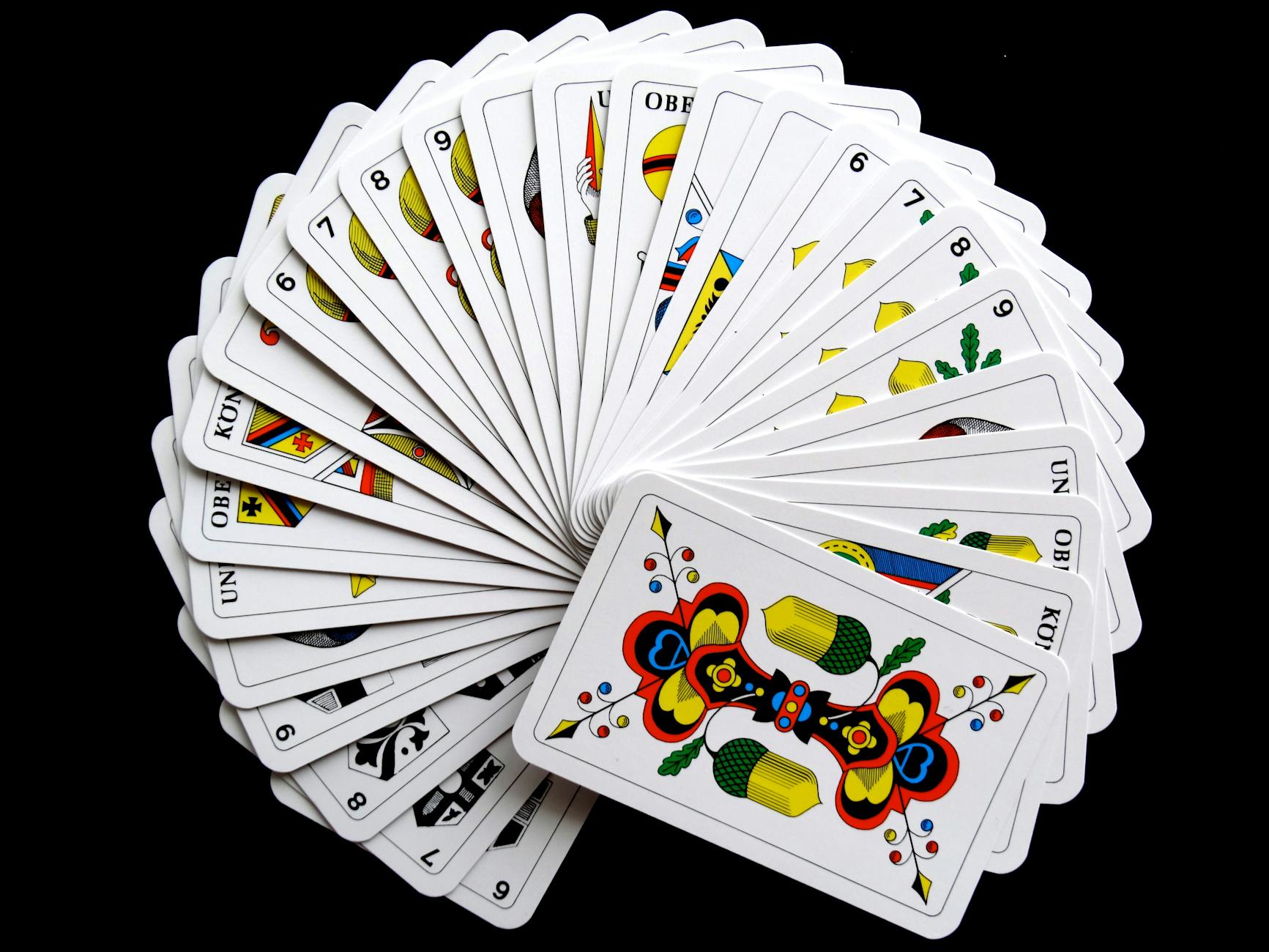
Photo by Pixabay on Pexels
FAQ: Your Top Slot and Card Game Questions Answered
Q: Do slots have memory? Can they be "hot" or "cold"?
No. The RNG ensures every spin is independent. A slot that has not paid in 300 spins is not more likely to pay on the next spin. Each outcome range is drawn fresh on every button press. This applies across the entire JILI slot catalogue on MBA66.
Q: Do demo slots reveal the same game as real-money play?
Yes. The JILI slot engine, including its volatility and free spins triggered rate, is identical in demo and real-money modes. Demo is useful for learning the feature set and pace of a title before committing funds.
Q: Can I predict when a JILI jackpot meter will drop?
No. The jackpot meter in JILI slots displays a visual count over a hidden RNG-governed counter. The trigger is random within the game's theoretical window and cannot be predicted or influenced by your bet size or timing.
Q: Does studying baccarat road maps improve my odds?
Road maps track historical results only. Each hand in a live dealer or RNG baccarat game is statistically independent. No pattern, streak, or color sequence changes the house edge on the next hand. Use road maps for session tracking, not for betting signals.